

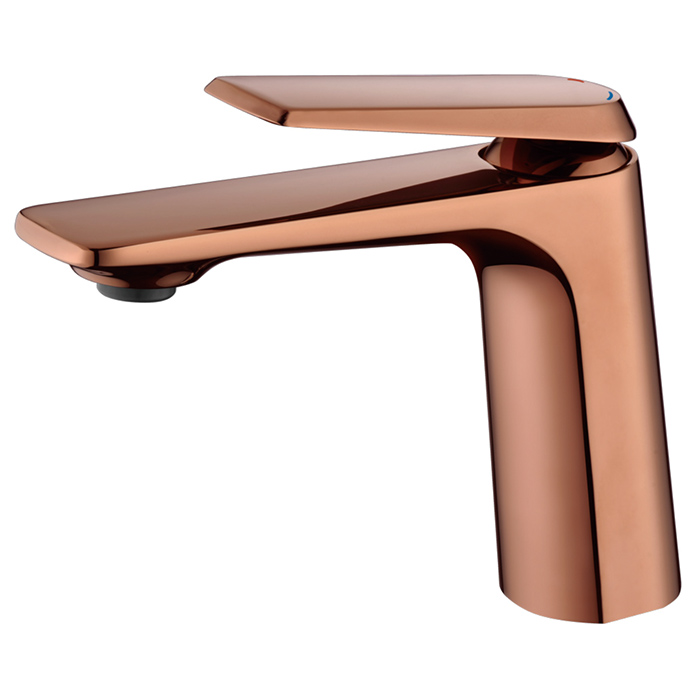
Replacing a sink faucet is often described as a quick upgrade, but the actual time can vary a lot depending on the faucet type, the condition of the existing plumbing, and how much working space you have under the sink. In a clean, modern setup with flexible hoses and accessible mounting hardware, many replacements finish in about an hour. In older bathrooms, the same job can stretch to several hours because of corroded nuts, stuck supply lines, or shutoff valves that do not close reliably. This guide breaks down realistic timelines, explains what usually causes delays, and shows how choosing a well-designed faucet such as a single lever basin mixer can make the process more predictable. Product reference: COIGN single lever basin mixer.
Typical Time Range for Faucet Replacement
Most sink faucet replacements fall into three time brackets. These ranges assume you have basic tools and you are only replacing the faucet, not the sink or countertop.
-
Fast replacement
30 to 60 minutes
Common when the old faucet comes off easily, shutoff valves work, and the new faucet uses simple mounting hardware with flexible hoses. -
Standard replacement
60 to 120 minutes
Common when you need to clean old putty, replace supply hoses, adjust alignment, and do a careful leak test. -
Extended replacement
2 to 4 hours or more
Common when mounting nuts are seized, the faucet is bonded to the sink deck, shutoff valves leak or will not close, or the sink area is very tight.
If you are planning a renovation schedule, assume the standard bracket unless you know the plumbing is new and accessible.
Time Breakdown by Task
A clear task-level breakdown helps you estimate time before you start. It also shows where delays usually happen.
| Task | Typical time | What affects it |
|---|---|---|
| Prep and shutoff check | 10 to 20 min | Valve accessibility, ability to fully close water |
| Disconnect supply lines | 10 to 20 min | Corrosion, cramped cabinet, rigid pipes |
| Remove old faucet | 15 to 60 min | Stuck mounting nut, old sealant, limited access |
| Clean sink deck area | 10 to 25 min | Mineral buildup, hardened putty |
| Install new faucet | 15 to 45 min | Mounting style, alignment, deck plate use |
| Connect supply hoses | 10 to 25 min | New hoses, routing space, fitting type |
| Test for leaks and flush | 10 to 20 min | Fine-tuning compression joints, aerator debris |
The removal step is the most unpredictable. A new faucet installation is usually straightforward if the sink deck is clean and the mounting hardware is accessible.
Factors That Make the Job Faster or Slower
Condition of the shutoff valves
If the hot or cold angle stop does not fully close, you cannot safely remove the faucet without turning off water to the entire room or building. Replacing a shutoff valve adds time and may require additional tools and parts.
Type of sink and mounting access
Pedestal sinks and tight vanity cabinets reduce working space. A basin wrench helps, but access limitations still slow removal and tightening.
Corrosion and mineral buildup
Older faucets often have mounting nuts that seize. Hard water can also bond the faucet base to the sink. These situations add time because you must loosen carefully without damaging the sink deck.
Hose type and connection style
Flexible hoses with standard connections are quicker. Rigid supply tubes or unusual fittings slow the process and increase the chance you need an extra adapter.
New faucet design and installation method
Faucets that integrate flexible lines and use a stable mounting system reduce under-sink work and shorten alignment time. A single lever basin mixer often installs faster than multi-handle styles because there are fewer components to assemble and align.
How to Estimate Your Own Faucet Replacement Time in Advance
A practical estimate is easier when you do a quick under-sink inspection before you commit to a time slot.
Checklist:
-
Can you fully close both shutoff valves
If not, add time for valve replacement or plan to shut off the main supply. -
Do you have clear access to the mounting nut
If the nut is tucked behind the sink bowl or blocked by a cabinet brace, plan extra time. -
Are there signs of rust or white mineral crust around fittings
If yes, plan extra time for careful disassembly and cleaning. -
Does your sink have one hole or multiple holes
If you are changing configurations and need a deck plate, add time for dry-fitting and alignment. -
Are you replacing supply hoses
Replacing hoses is recommended if they are old, stiff, or corroded. Add 10 to 20 minutes for careful routing and tightening.
If all checks look clean and accessible, your replacement is likely to land in the fast bracket.
Ways to Shorten the Replacement Time Without Cutting Corners
The goal is not speed alone. The goal is a predictable install with no leaks and no callbacks.
-
Use the right tool for tight spaces
A basin wrench saves time and reduces frustration during removal and tightening. -
Replace supply hoses during the swap
This avoids delays from unexpected hose cracking or fitting issues during testing. -
Clean the sink deck thoroughly before installing the new faucet
A flat, clean surface helps gaskets seat correctly and reduces base seepage. -
Keep fittings organized and do a dry-fit
Align the faucet from above before final tightening. Re-aligning after full tightening is a common time sink. -
Turn water on slowly and test with a dry paper towel
Small leaks are easier to correct immediately than after the cabinet is packed back up.
In professional installations, these small habits are what keep the job within the expected time window.
Why a Single Lever Basin Mixer Helps Keep Timing Predictable
A single lever basin mixer is commonly selected for modern bathrooms because it reduces part count and simplifies alignment. With fewer components under the sink, there are fewer chances for threading errors, crossed connections, or extra adjustments.
COIGN’s single lever basin mixer is built around a streamlined installation approach suited for renovations and repeated installations. This matters when you are replacing one faucet at home and also matters at scale for OEM projects and bulk order deployments where installers need the same steps to work across many units. A consistent product structure reduces installer variability and keeps labor planning more stable.
Planning for Contractors, Renovations, and Multi-Unit Projects
If you are managing more than one bathroom, time per unit becomes a scheduling and cost issue. Small delays compound across multiple rooms.
Practical planning notes:
-
Add contingency time for older buildings
Older valves and corroded mounting hardware are the main schedule risks. -
Standardize the faucet model across rooms
Using one model reduces learning time, speeds installation, and simplifies spare part planning. -
Stage parts and tools before starting each room
Keeping hoses, seals, and tools ready prevents interruptions. -
Track real install time for the first bathroom
Use that as your baseline for labor planning across the rest of the project.
For project buyers and contractors, choosing a faucet line that installs consistently across batches can reduce overruns and simplify handover.
Conclusion
Most sink faucet replacements take 30 to 120 minutes, with 60 to 120 minutes being the safest planning range for typical bathrooms. Jobs take longer when shutoff valves fail, mounting nuts are seized, or access under the sink is tight. You can keep the timeline predictable by checking valves in advance, using the right tools, replacing old supply hoses, and choosing a faucet design that installs cleanly. If you want a modern replacement with a streamlined install path, COIGN’s single lever basin mixer is a practical option for both single-bath renovations and larger OEM or bulk order programs.