

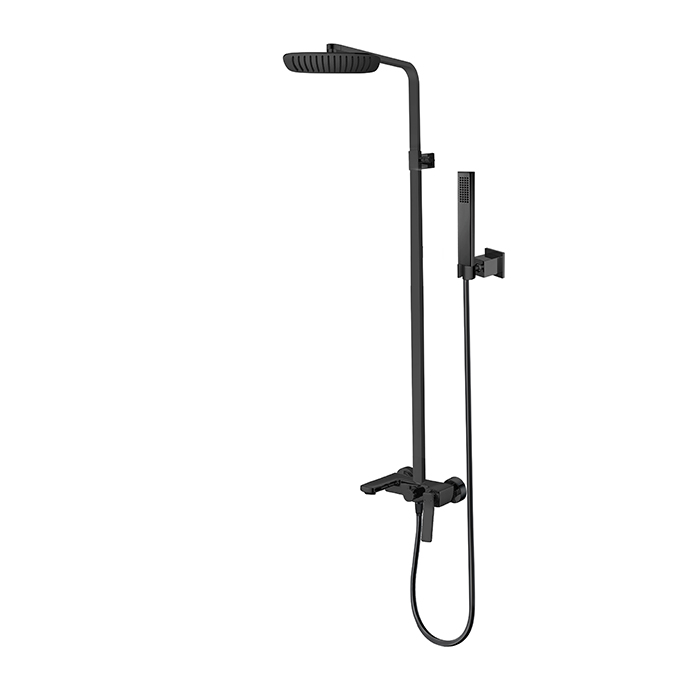
A leaky shower faucet can start as a slow drip and turn into mineral stains, slippery surfaces, and hidden moisture problems behind tile. The fastest way to stop the leak is to identify where the water is escaping, then fix the component that is failing to seal. In most homes, the root cause is a worn cartridge, damaged O-rings, debris stuck inside the valve, or water getting behind the trim plate. This guide shows a practical sequence to stop a leaking shower faucet without guesswork, including what to check first, what parts usually solve the problem, and when the leak points to a deeper plumbing issue. Product reference: COIGN shower faucet.
Step 1: Locate the Leak Source Before You Touch Any Parts
Stopping the leak starts with the exact location. A drip from the shower head is treated differently than moisture around the handle.
Common leak locations:
-
Drip from the shower head when the handle is fully off
Most often caused by a cartridge that no longer seals tightly or by debris preventing full closure. -
Water at the handle area or running down the trim plate
Often related to worn stem seals, O-rings, or water entering behind the escutcheon from normal shower spray. -
Water leaking from a tub spout in a tub-shower combo
Can involve the valve cartridge, but also the diverter spout or diverter mechanism. -
Moisture behind the wall or dampness under the tub
Often indicates a connection or valve body issue and should be handled quickly.
A useful quick test:
- Turn the faucet off and wait 5 minutes.
If dripping slows gradually, internal sealing is weak.
If dripping stays steady, the valve is not closing and needs service.
Step 2: Stop the Water Safely and Prepare the Work Area
Before disassembly, control water to avoid a mess and prevent damage to wall finishes.
Preparation steps:
-
Shut off water supply to the shower valve
Many homes have local shutoffs, but often you will shut off the main supply if dedicated stops are not present. -
Open the shower valve to relieve pressure
This drains residual water and confirms the supply is off. -
Protect the tub or shower floor
Cover the drain so small screws cannot fall in, and place a towel in the tub to protect finishes. -
Organize parts as you remove them
Keep screws and trim pieces together. Small mistakes in reassembly can create new leaks.
This prep prevents two common problems: lost hardware and water damage during the repair.
Step 3: Fix the Most Common Leak Cause: Replace the Cartridge
For most modern shower valves, cartridge replacement is the primary leak fix. Cartridges wear from regular use and can also be damaged by debris.
General process:
-
Remove the handle
Locate the set screw or handle screw, loosen it, and pull the handle off carefully. -
Remove the trim plate
Take off the escutcheon to expose the valve body. Inspect for signs of water tracks behind the plate. -
Pull the cartridge
Use the correct method for your valve design. Some cartridges pull straight out after removing a retaining clip. -
Inspect for debris and scale
If sediment is present, clean the valve body opening and rinse the area as allowed. -
Install the new cartridge
Seat it fully and reinstall the retaining clip. Misalignment here is a frequent reason leaks continue. -
Reassemble trim and handle
Tighten evenly and avoid over-torque that can distort seals.
Cartridge replacement typically stops shower head drips immediately when the leak was caused by sealing wear.
Step 4: Stop Leaks Around the Handle With O-Rings and Stem Seals
If water is leaking around the handle when the shower is on, the shutoff function may be fine, but seals around the moving parts are failing.
Key areas:
-
Handle stem O-rings
These keep water from migrating along the stem. -
Packing or stem seals
Some valve styles use packing materials that compress over time.
Fix approach:
- Remove the handle and trim
- Inspect O-rings for flattening, cracking, or looseness
- Replace with the correct size and material
- Clean the stem surface so the new O-ring can seal cleanly
- Reassemble and test under flow
A properly sealed handle area should remain dry even under full shower pressure.
Step 5: Prevent Water From Getting Behind the Trim Plate
Sometimes a homeowner notices moisture around the trim and assumes the valve is leaking. In many cases, the valve is fine and water is simply getting behind the escutcheon during shower use.
Signs of this situation:
- Moisture appears only while showering, not when the valve is off
- Water tracks are visible at the top or sides of the trim plate
- The wall surface behind the plate looks damp but the valve body is dry
Fix approach:
- Confirm the escutcheon gasket is present and seated
- Apply a controlled seal bead around the top and sides of the trim plate if your installation practice calls for it
- Leave a small drainage gap at the bottom so any incidental moisture can escape
- Reinstall and test with a normal shower spray pattern
This step protects the wall cavity from repeated moisture exposure.
Step 6: Address Diverter-Related Drips in Tub-Shower Combos
In a tub-shower combo, leaks can be confused by the diverter. A worn diverter can allow water to bleed to the shower head when the tub is running, or allow drips at the tub spout when the shower is selected.
Common fixes:
-
Clean and service the diverter spout
Mineral buildup can prevent full sealing. -
Replace the diverter mechanism or spout
When wear is visible or the diverter does not stay engaged. -
Confirm the main valve is shutting off fully
If the shower head drips even when the diverter is not engaged, the cartridge is still a likely cause.
Diverter problems are common in hard water areas and in bathrooms where the diverter is pulled frequently.
Leak Pattern Guide: Match Symptoms to the Correct Fix
| Symptom | Most likely cause | Repair that usually stops it |
|---|---|---|
| Shower head drips when valve is off | Worn cartridge, debris on sealing surfaces | Replace cartridge, clean valve body |
| Leak at handle when water is on | O-ring or stem seal wear | Replace O-rings or stem seals |
| Water behind trim during shower | Poor escutcheon sealing or missing gasket | Reseat gasket, seal top and sides |
| Tub spout drips in shower mode | Diverter wear or debris | Service or replace diverter |
| Leak persists after basic repair | Valve body issue, connection leak, pressure imbalance | Inspect deeper, consider professional service |
Using a symptom-based guide reduces repeat disassembly and keeps repair time predictable.
COIGN Shower Faucet: Designed for Reliable Shutoff and Practical Service
Stopping leaks long-term depends on valve structure, sealing quality, and how well the trim and internal components fit together. COIGN develops shower faucet solutions with a focus on stable control behavior and clean trim integration, supporting dependable shutoff performance and straightforward service steps. For contractors and project buyers managing multiple units, consistent internal components and repeatable installation details reduce maintenance variability and simplify spare part planning. COIGN supports wholesale and OEM supply needs where product consistency and long-term durability matter. Explore the product range here: shower faucet.
Conclusion
To stop a leaky shower faucet, first identify whether the leak comes from the shower head, the handle area, the trim plate, or a diverter. Most shower head drips stop after replacing the cartridge and cleaning any debris that prevents full closure. Handle-area leaks often resolve with new O-rings or stem seals, while moisture behind the trim typically needs better escutcheon sealing to protect the wall. If water appears behind the wall or the leak continues after cartridge and seal service, treat it as a higher-risk plumbing issue and inspect the valve body and connections promptly. A well-built shower faucet system and correct installation practices reduce leak frequency and keep the shower zone dry and dependable.