

For contractors, importers, and project buyers, a clear installation process helps reduce rework, save labor cost, and improve delivery efficiency. This guide explains the essential steps for installing a concealed shower mixer valve in a practical and straightforward way.
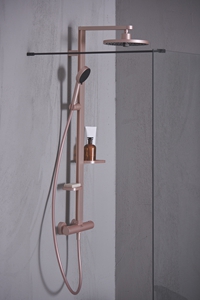
Understanding The Valve Structure
A shower mixer valve combines hot and cold water and distributes it to different outlets such as an overhead shower, hand shower, or bathtub spout. In concealed systems, the valve body is installed inside the wall, while only the trim and handles remain visible.
Because most of the structure is hidden, the rough-in stage is critical. Incorrect depth, poor alignment, or wrong pipe connections will directly affect the final appearance and performance.
Planning Before Installation
Proper planning prevents most installation problems. Before starting, confirm three key factors.
-
Finished wall thickness
The valve depth must match the final wall surface, including tiles and waterproof layers. Incorrect depth leads to poor trim fitting. -
Pipe layout
Hot water should be on the left and cold on the right. Confirm pipe positions in advance to avoid rework. -
Valve position
The centerline and height should align with the shower layout. In multi-room projects, consistency is especially important.
Good planning improves efficiency and reduces installation errors in bulk applications.
Step 1: Shut Off Water And Check Pipes
Turn off the main water supply and release pressure. Inspect the pipes to ensure they are clean and in good condition.
Flushing the pipes before installation helps prevent debris from damaging the cartridge or affecting water flow.
Step 2: Mark Position And Depth
Mark the valve position on the wall using a level. Always reference the finished wall surface, not the raw wall.
Incorrect depth is one of the most common issues:
- Too deep leads to recessed trim
- Too shallow creates gaps
Accurate positioning at this stage ensures a clean final result.
Step 3: Prepare The Wall Opening
Create an opening that allows installation and connection but can still be covered by the trim plate.
The valve body must be fixed firmly with proper support. Avoid relying only on pipe connections, as movement over time can cause leakage or loosen fittings.
Step 4: Connect Hot And Cold Inlets
Identify inlet ports clearly before connecting.
Key points:
- Hot on left, cold on right
- Use proper sealing materials
- Avoid overtightening
Incorrect connections will affect temperature control and user experience.
Step 5: Connect Outlet Lines
Connect the outlets according to the system design, including shower head, hand shower, or bathtub spout.
Ensure correct routing and clean alignment. Wrong connections can lead to switching issues or poor water flow.
Step 6: Fix Valve Body At Correct Depth
Secure the valve body inside the wall and confirm depth again.
This step determines:
- Whether the trim fits properly
- Whether the handle operates smoothly
- Whether the overall appearance is aligned
Always use a level to ensure the body is straight.
Step 7: Pressure Test Before Closing Wall
Before finishing the wall, perform a full pressure test.
Check:
- All connections for leakage
- Stability of the valve body
- Basic water function
Skipping this step may lead to hidden leaks, which are costly to repair.
Step 8: Complete Wall Finishing
After testing, proceed with waterproofing and tiling.
Ensure:
- Proper sealing around openings
- Accurate cut size for trim coverage
- Protection of exposed components
Good coordination between plumbing and finishing teams is essential.
Step 9: Install Trim And Handle
After wall completion, install the visible parts such as trim plate, handle, and spout.
The trim should sit flush, and the handle should move smoothly without resistance. Avoid overtightening to protect the finish.
Step 10: Final Testing
Turn on the water and test all functions, including temperature control and outlet switching.
Ensure stable flow, correct operation, and no leakage.
Common Installation Mistakes
Several common mistakes can affect performance and increase maintenance cost:
- Incorrect valve depth
- Reversed hot and cold lines
- Weak body fixing
- Skipping pressure testing
- Oversized wall opening
Avoiding these issues improves installation quality and reduces after-sales problems.
Why Installation Matters For Project Buyers
For B-end buyers, installation quality directly impacts project delivery and long-term cost.
A well-installed shower mixer valve helps:
- Reduce labor time
- Avoid rework
- Lower complaint rates
- Improve project consistency
Products that are easy to install and compatible with local standards bring more value in bulk supply and project use.
Conclusion
Installing a shower mixer valve requires careful planning, accurate positioning, and proper testing. When done correctly, it ensures stable performance, clean appearance, and long-term reliability.
If you are sourcing shower faucet sets for residential or commercial projects and need support with installation details, product specifications, or compatibility, feel free to contact us. We can help you select suitable solutions and provide practical guidance to make your installation process more efficient and reliable.